
Loading
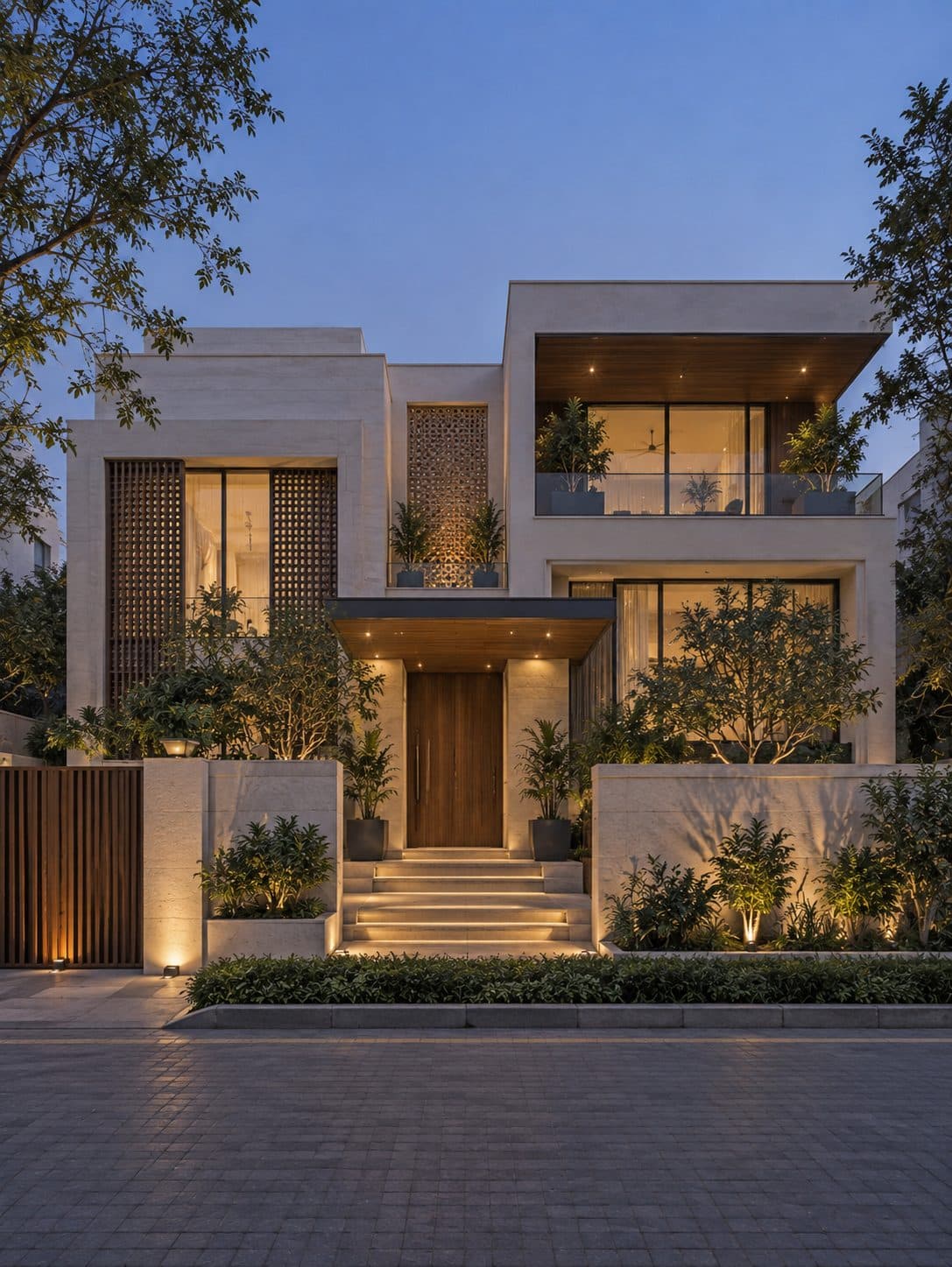
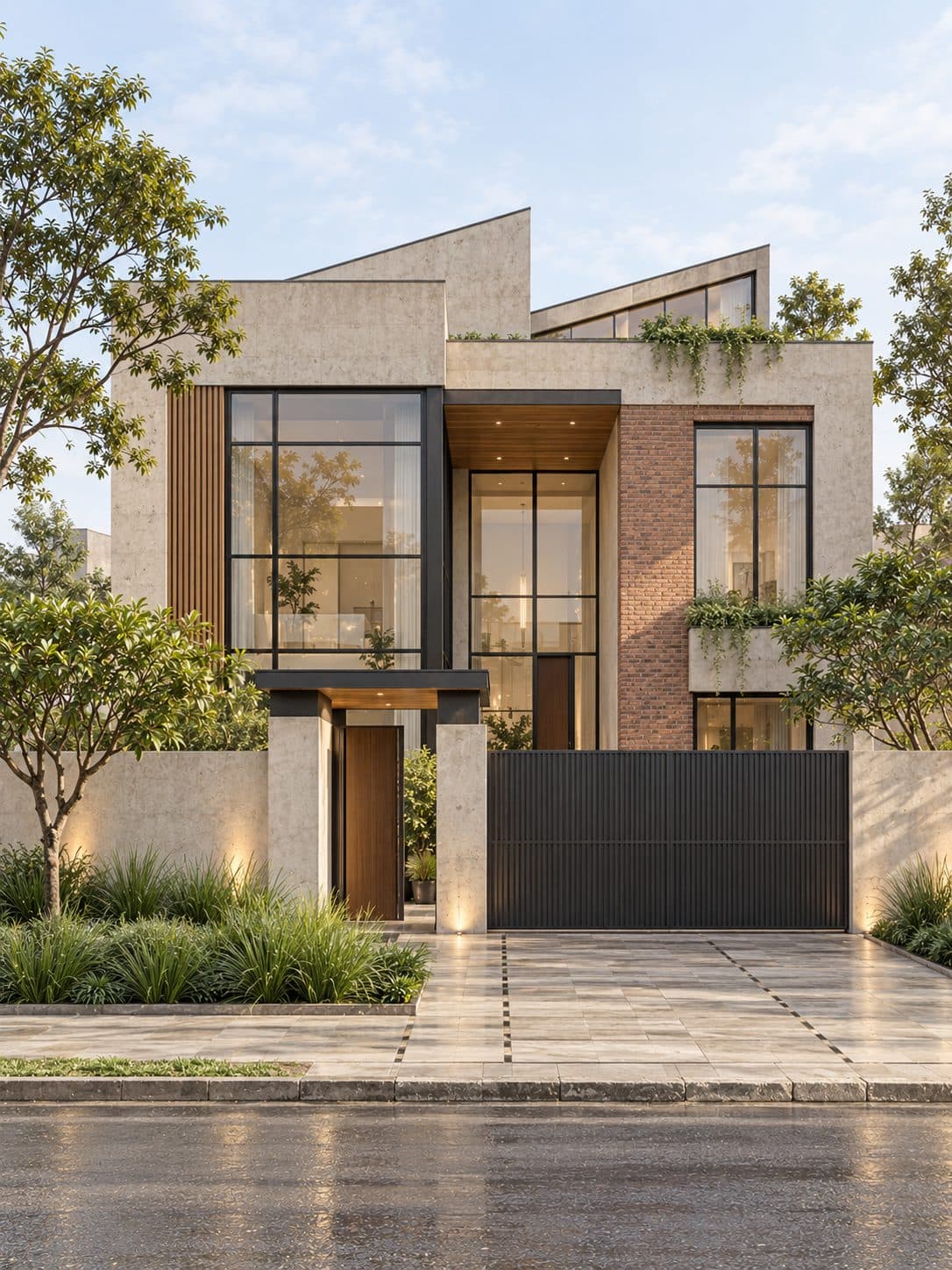
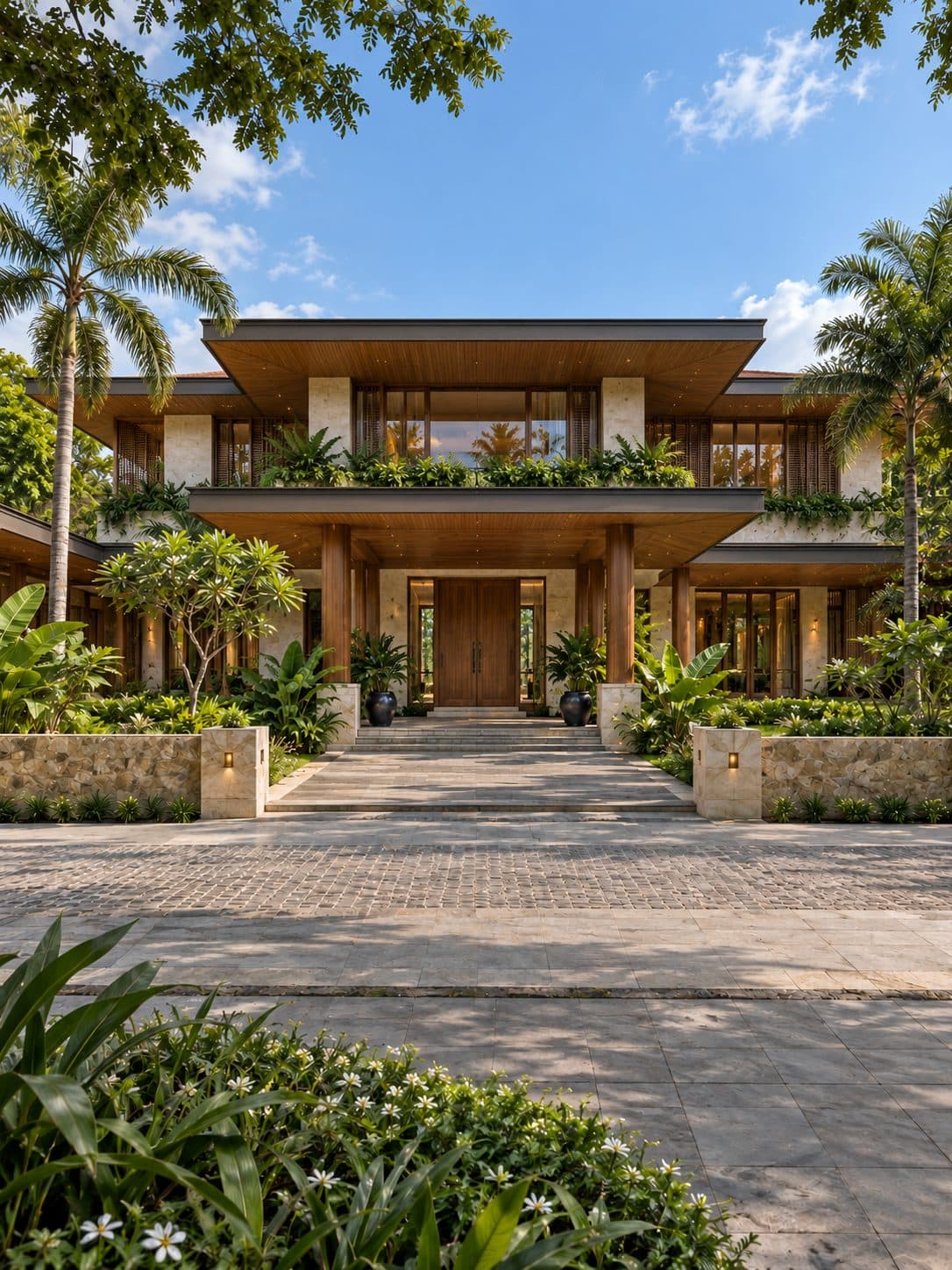
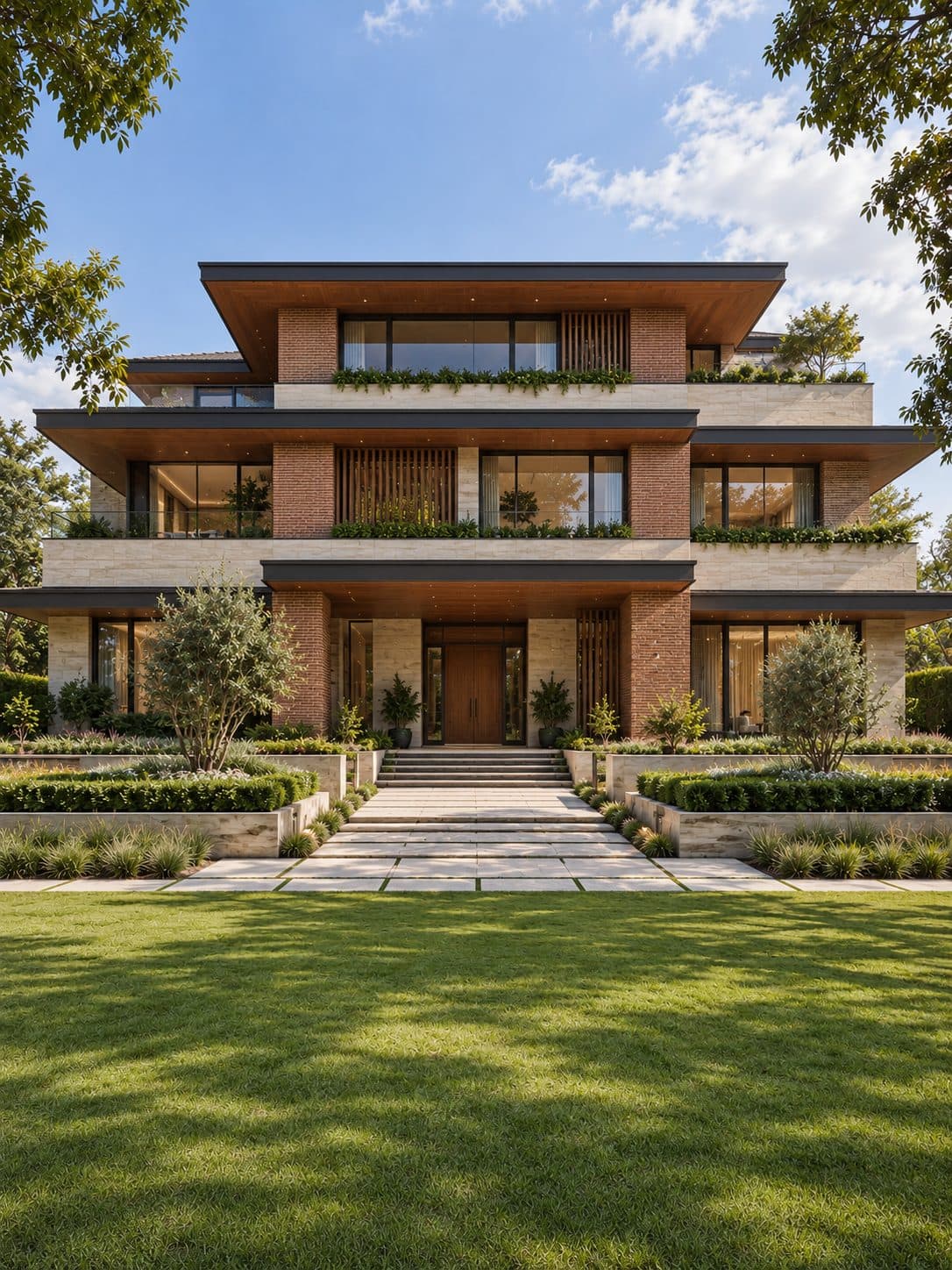
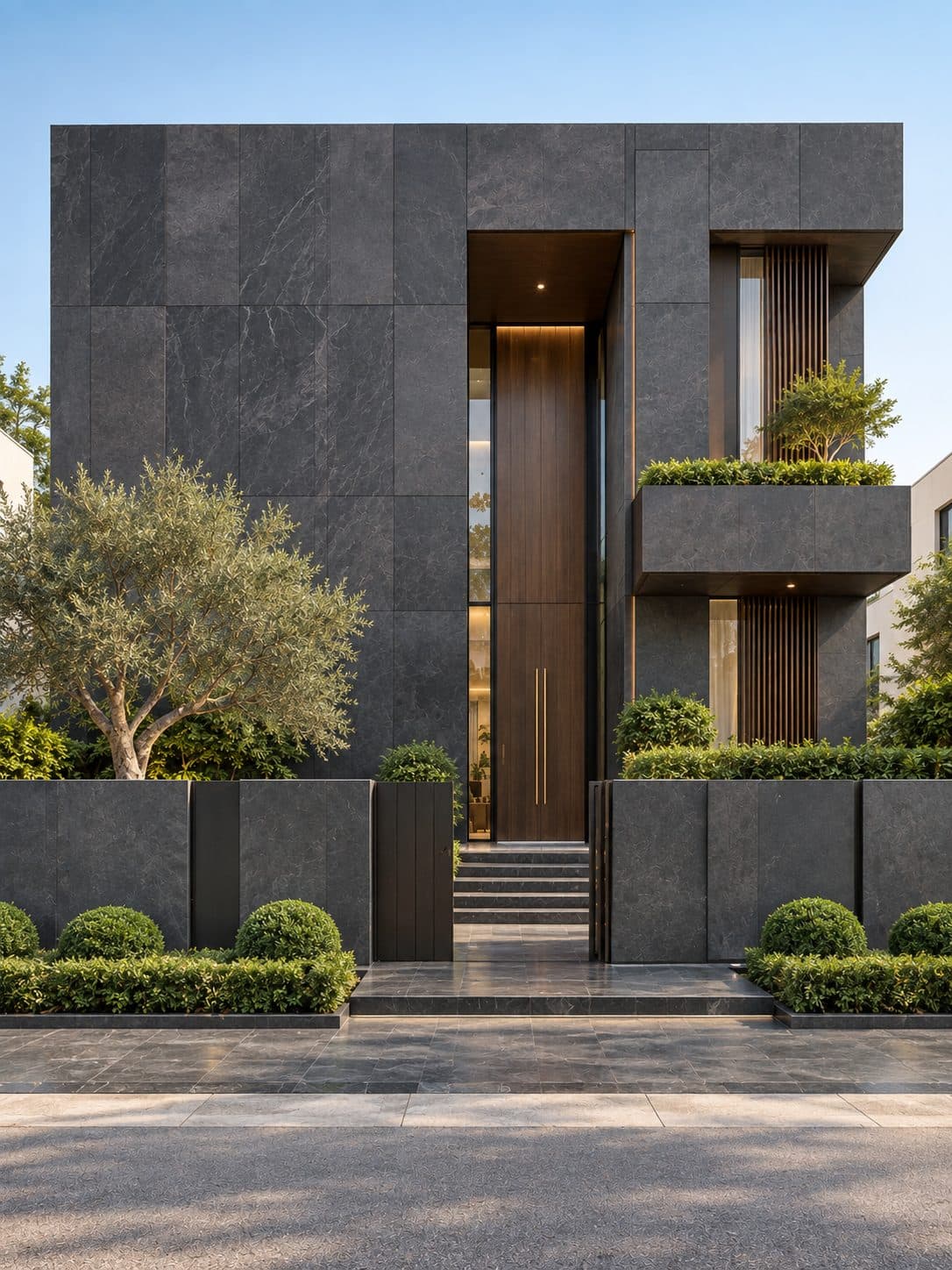
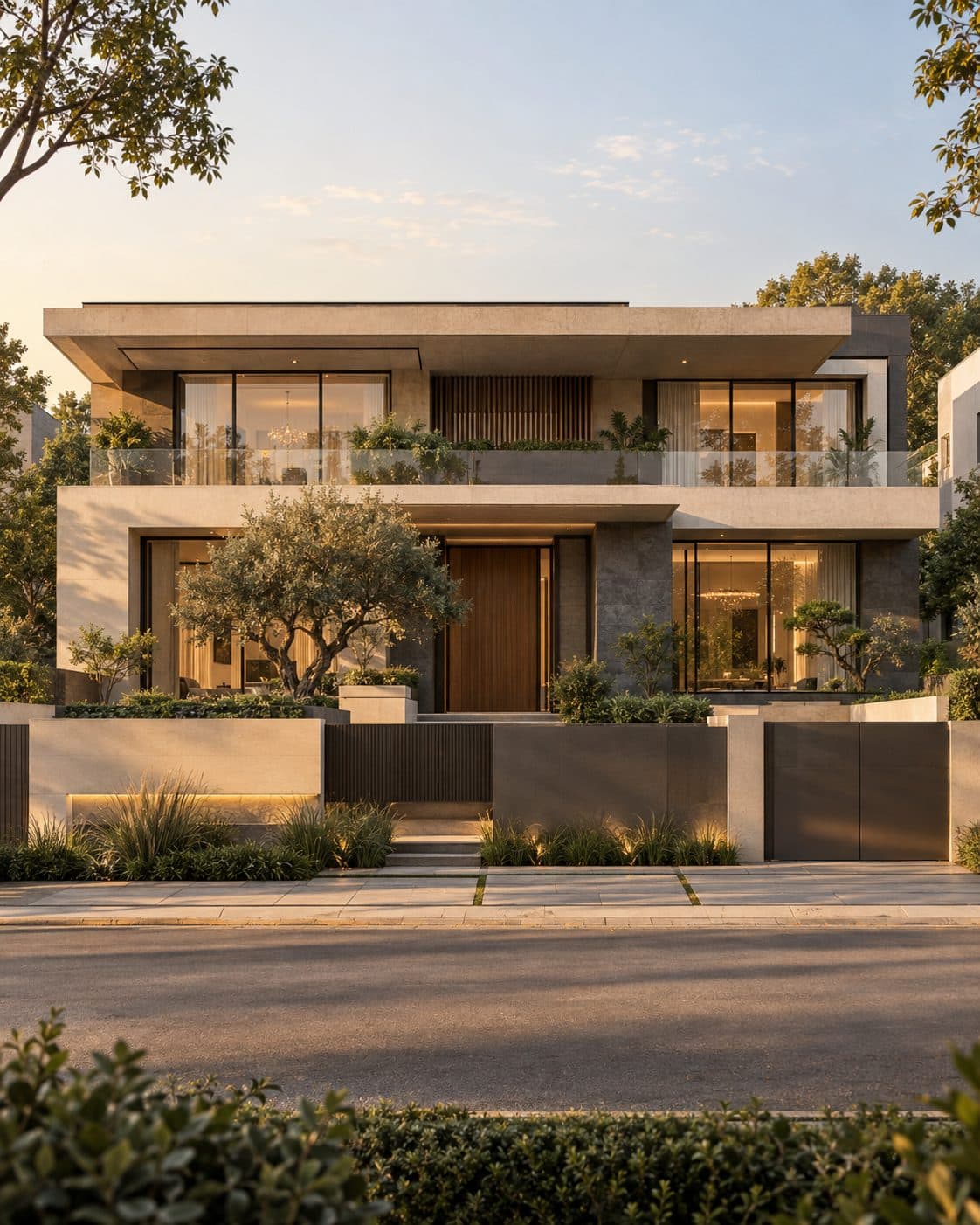
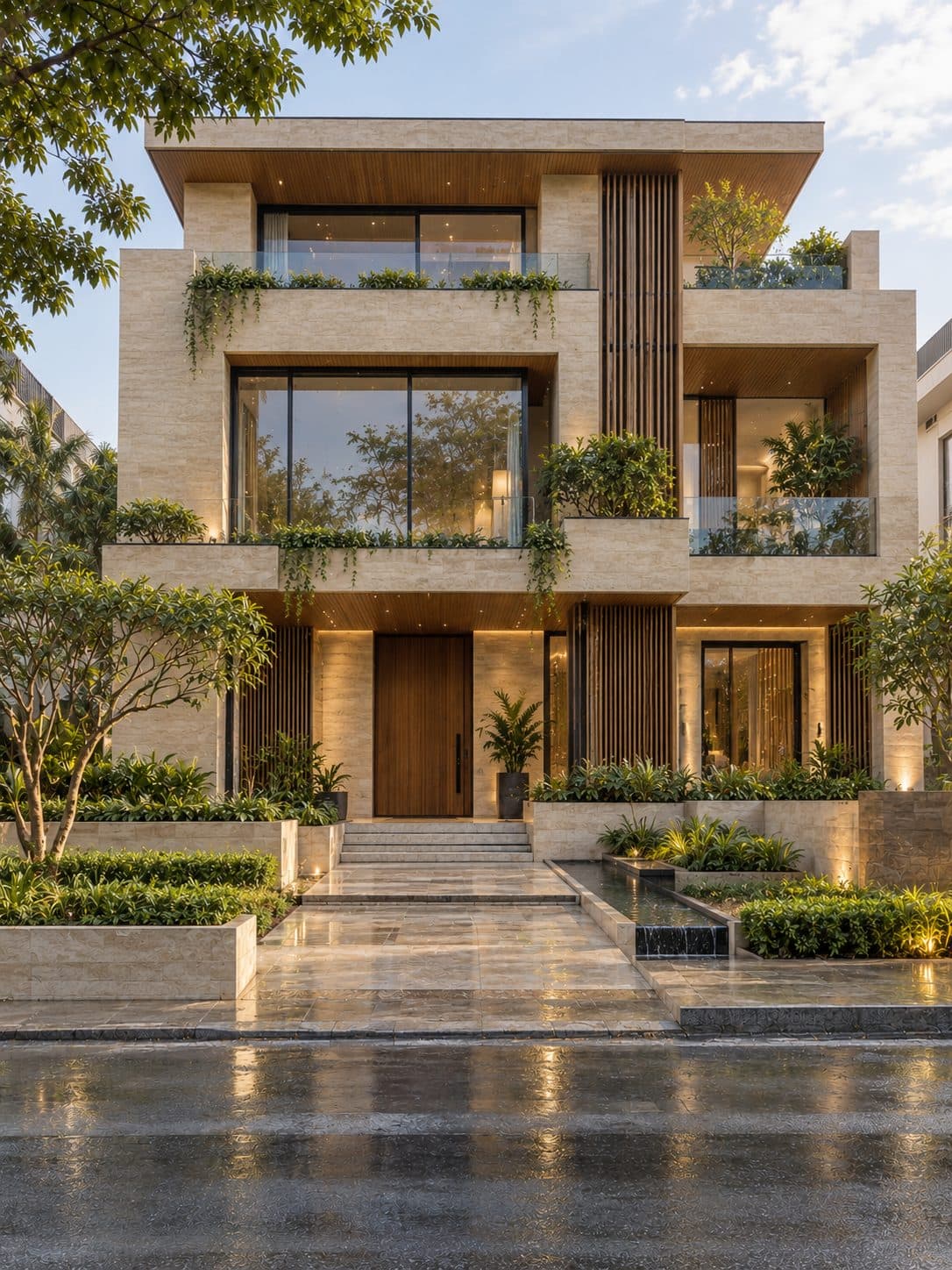
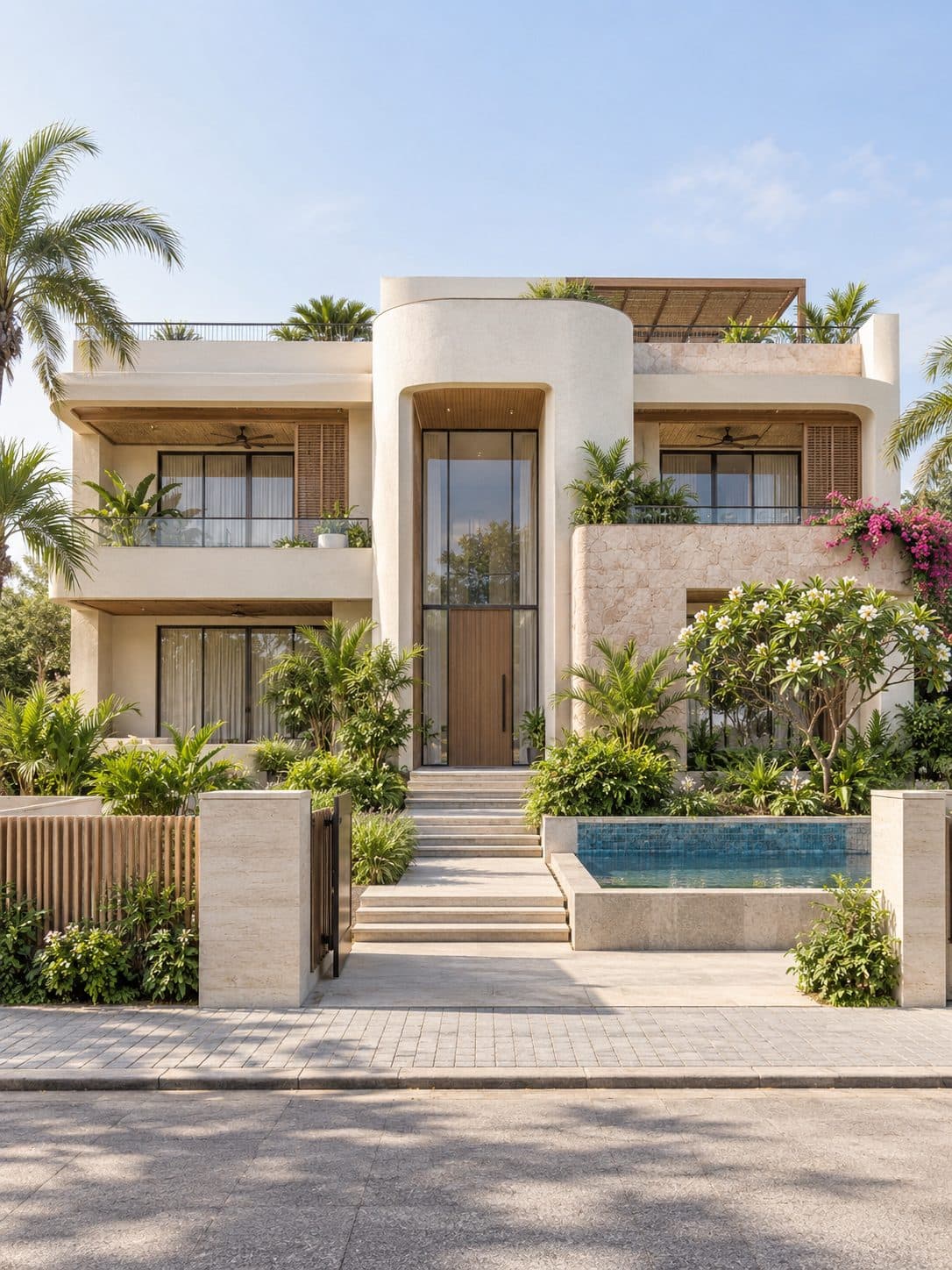
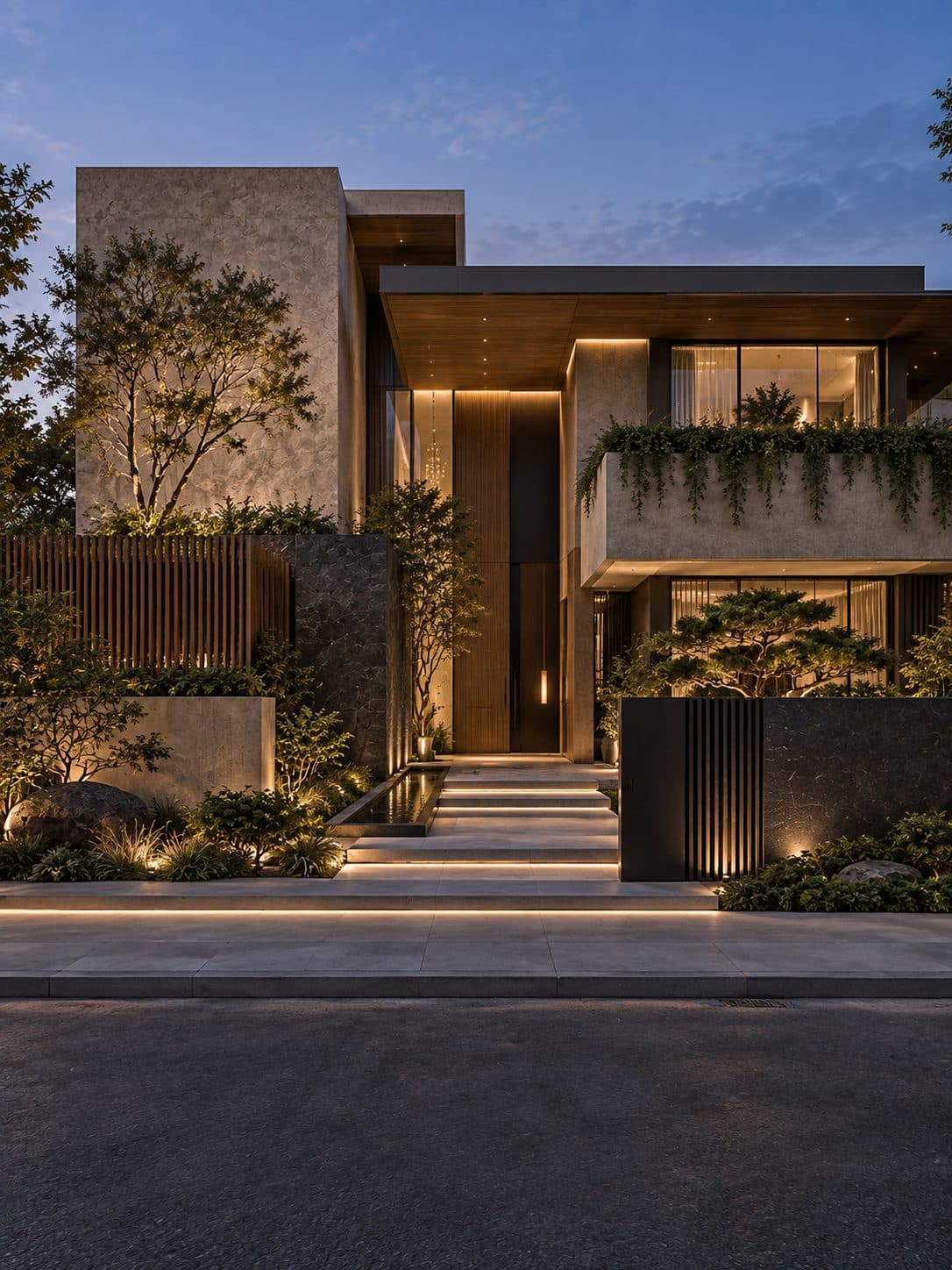
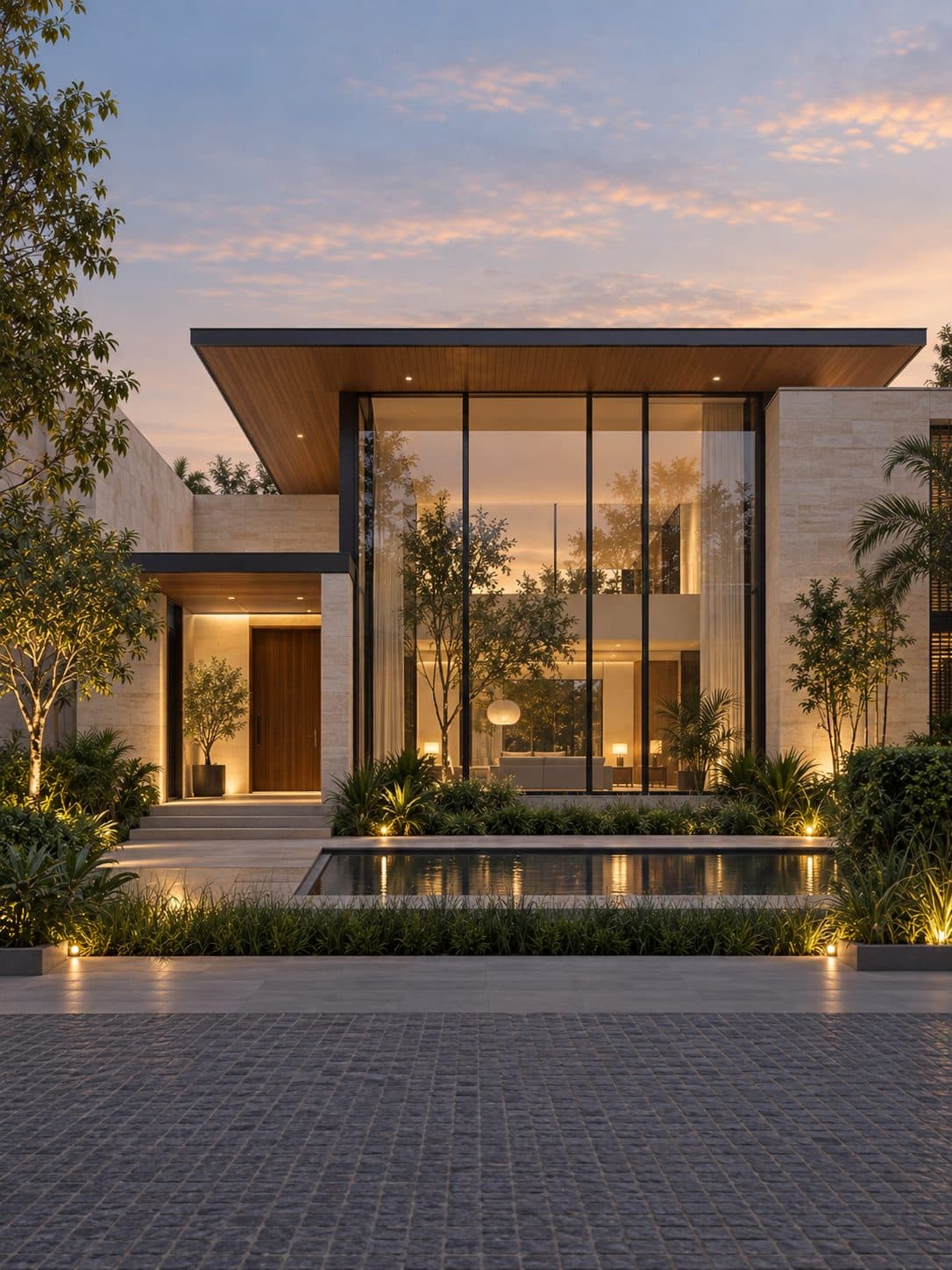
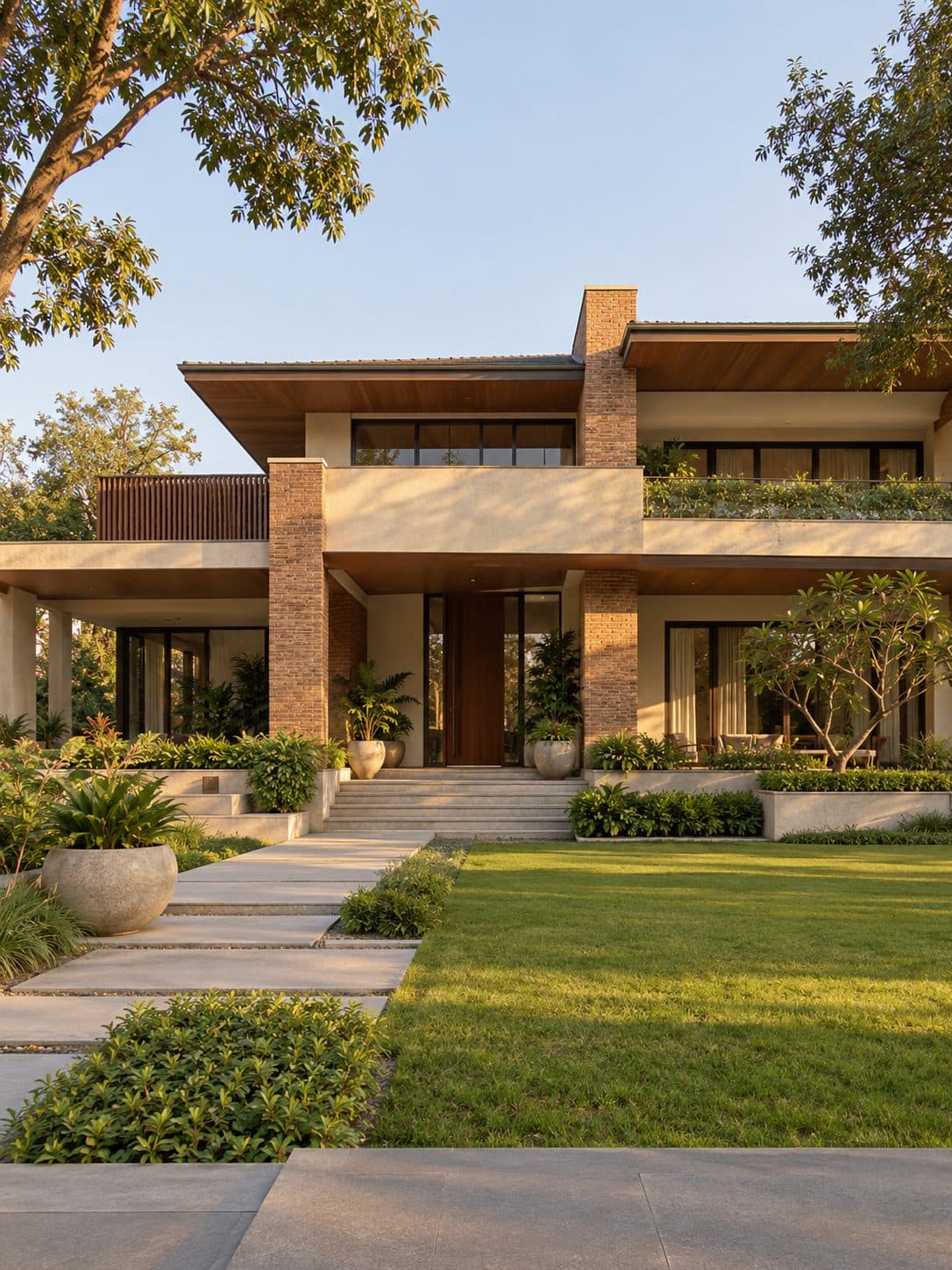
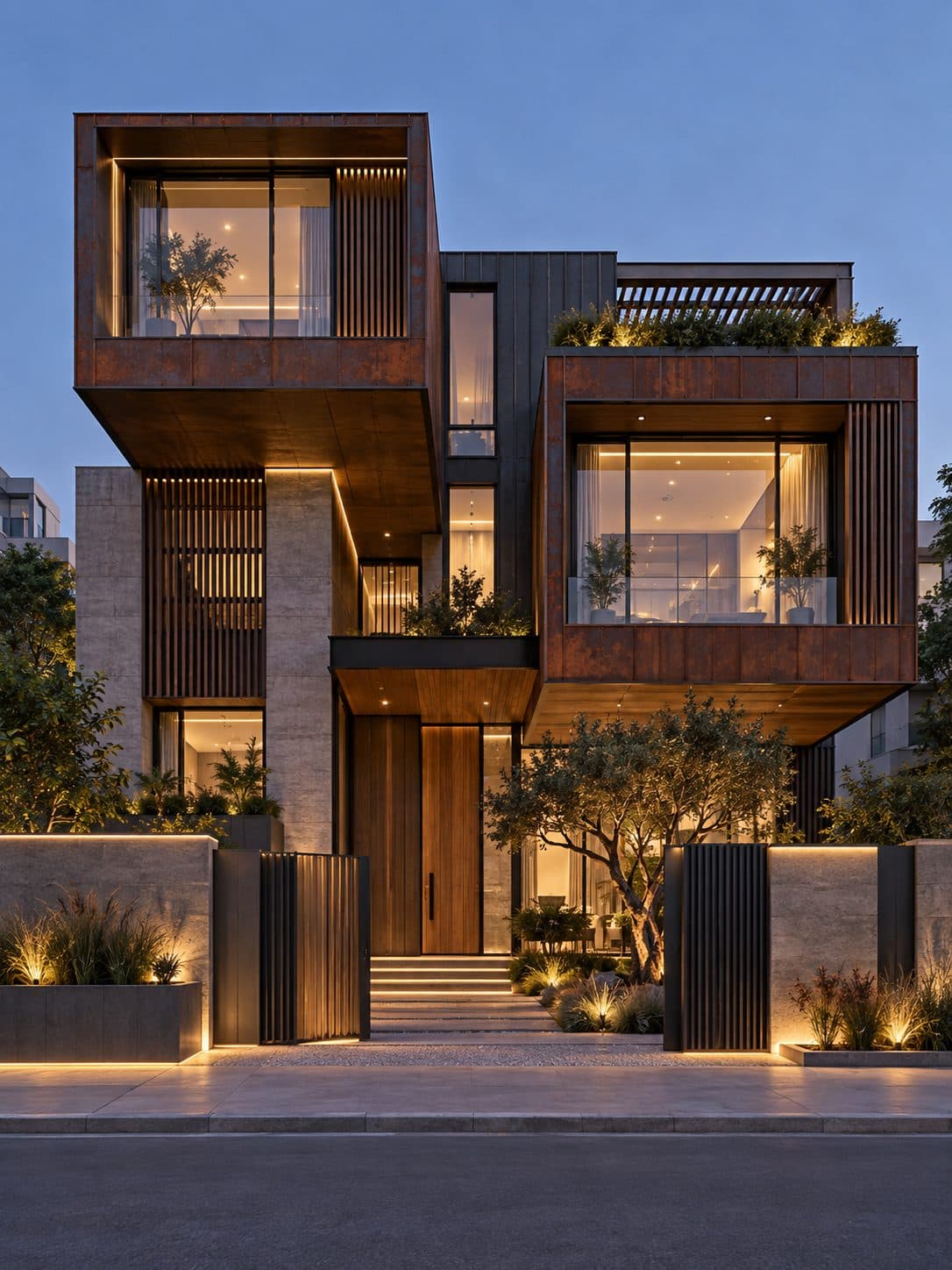
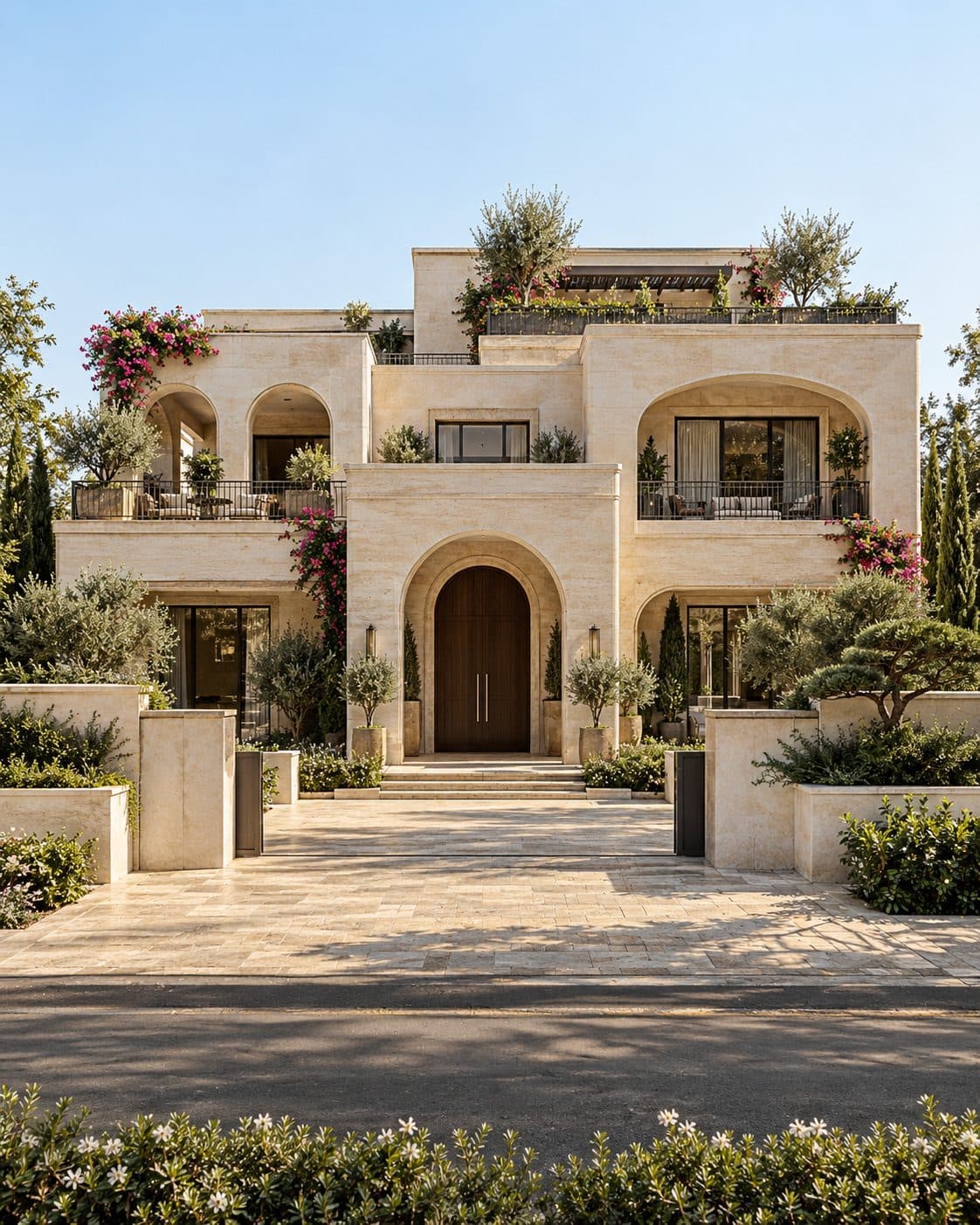
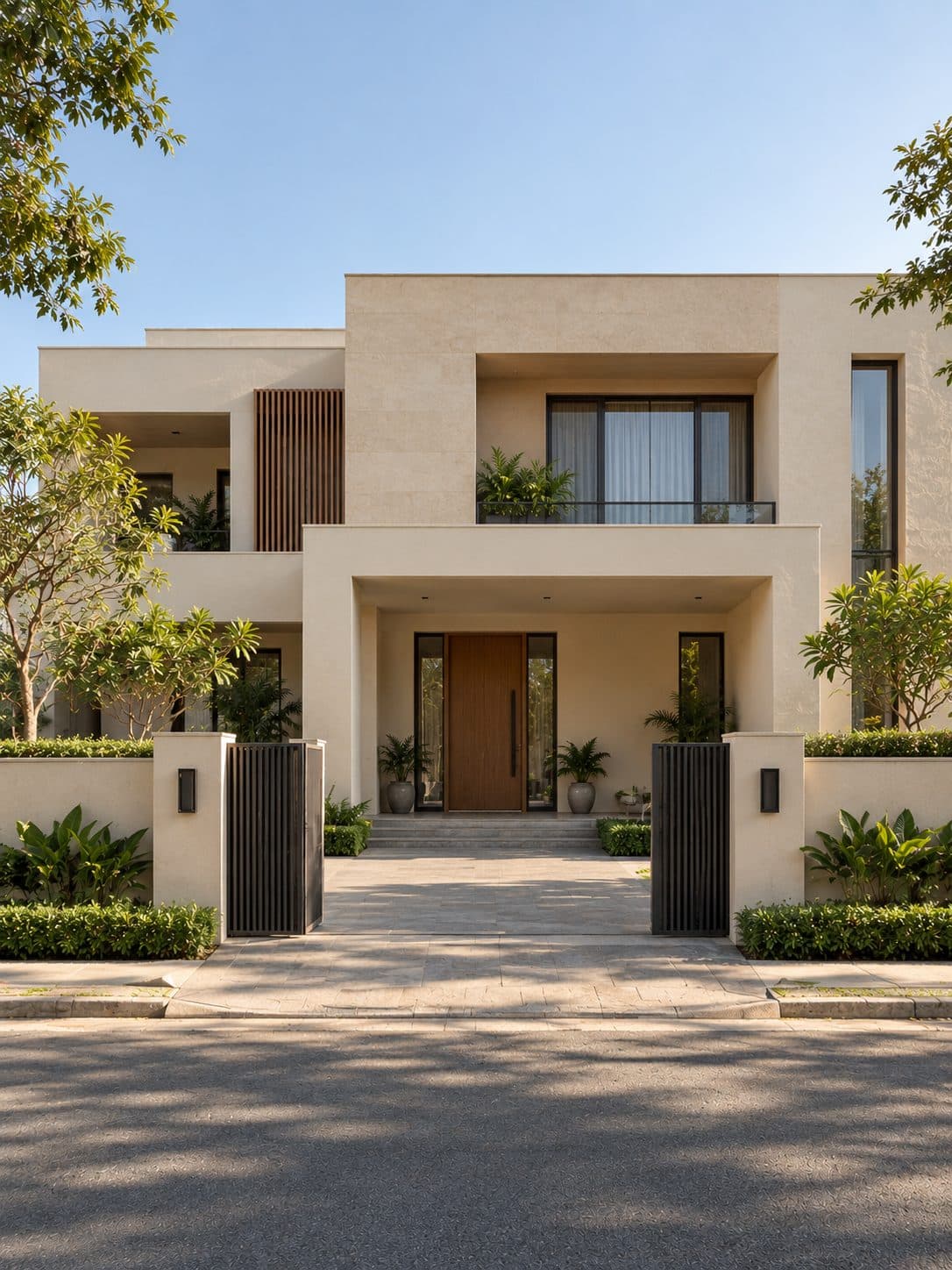
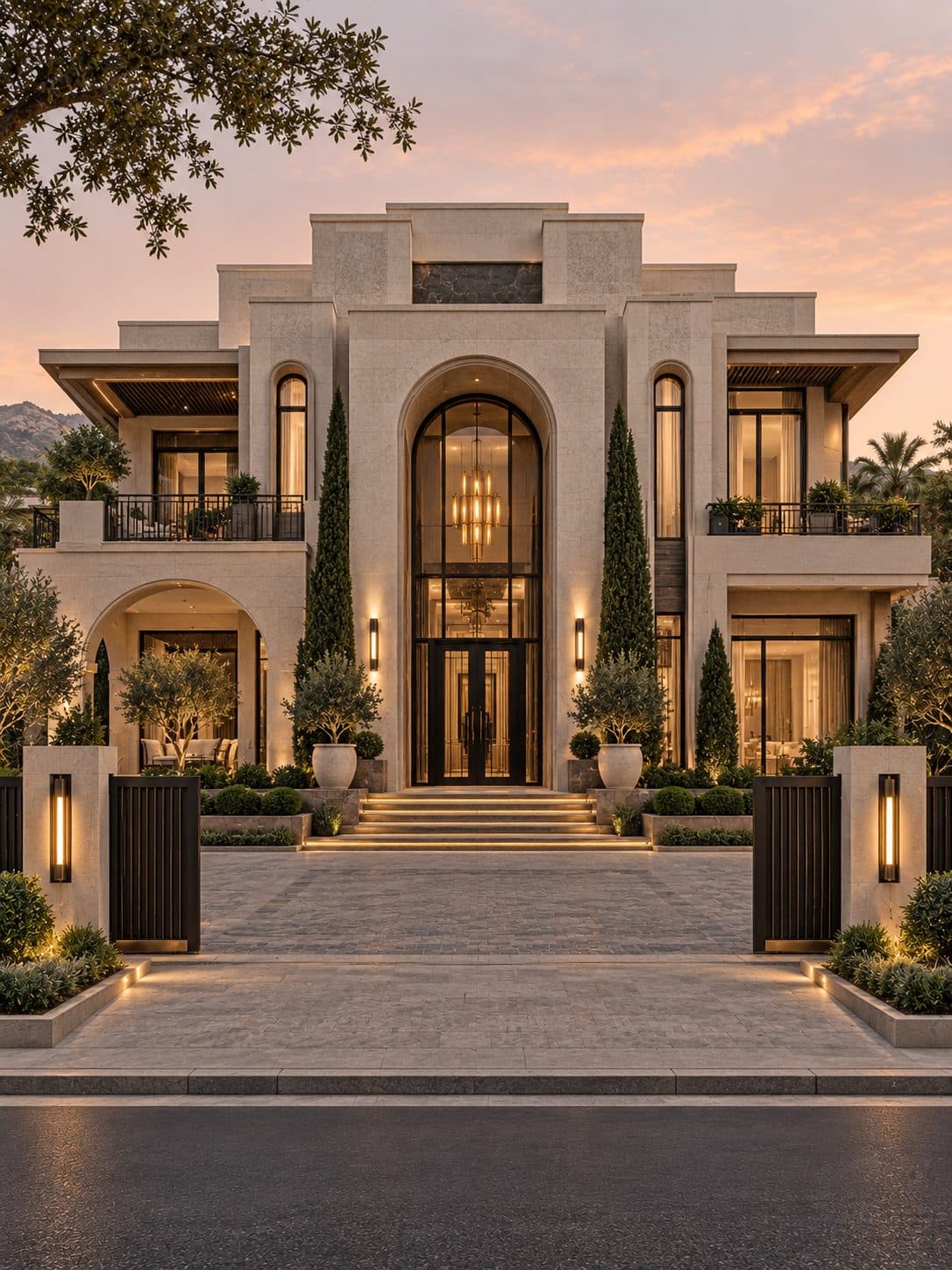
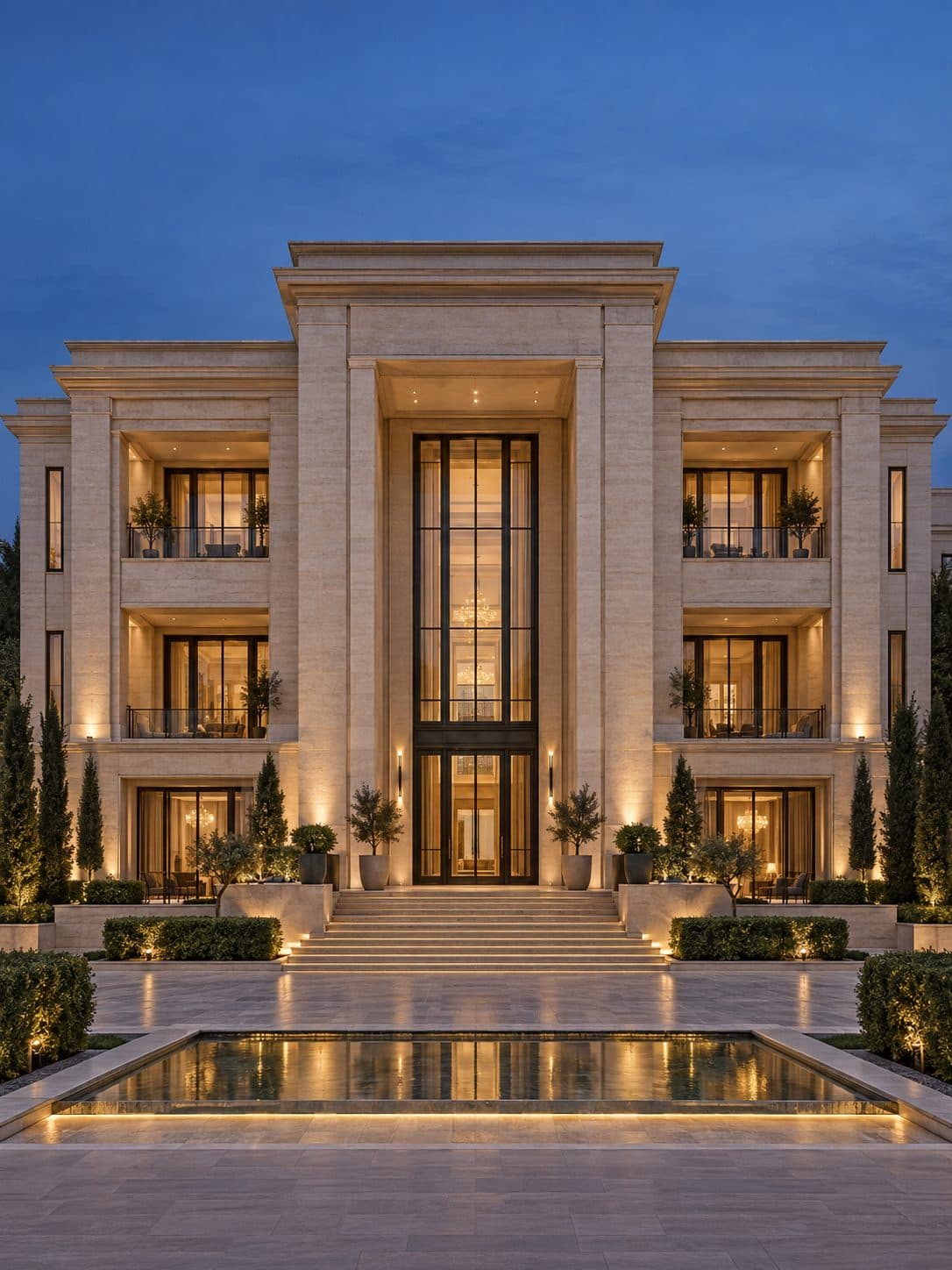
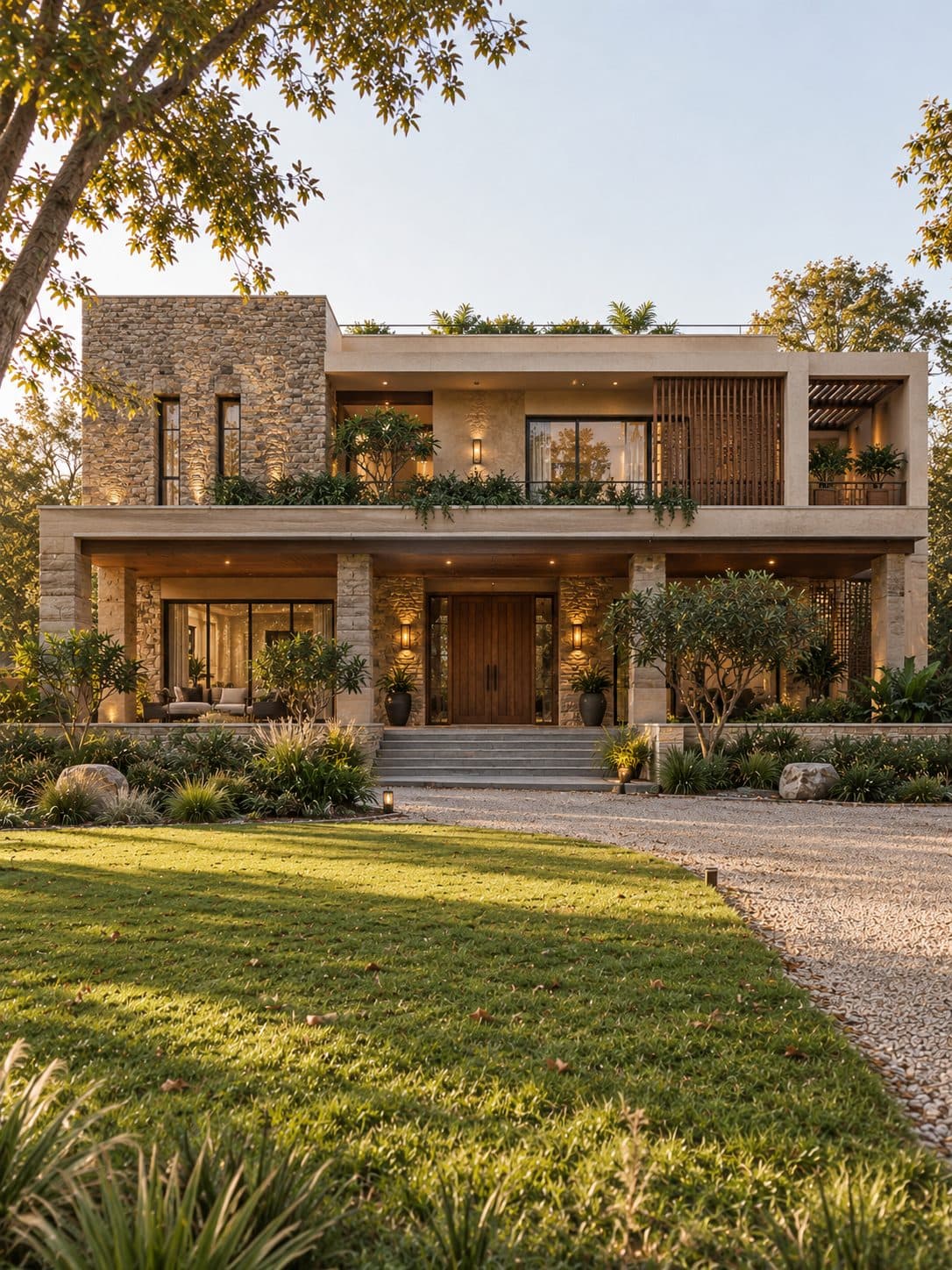
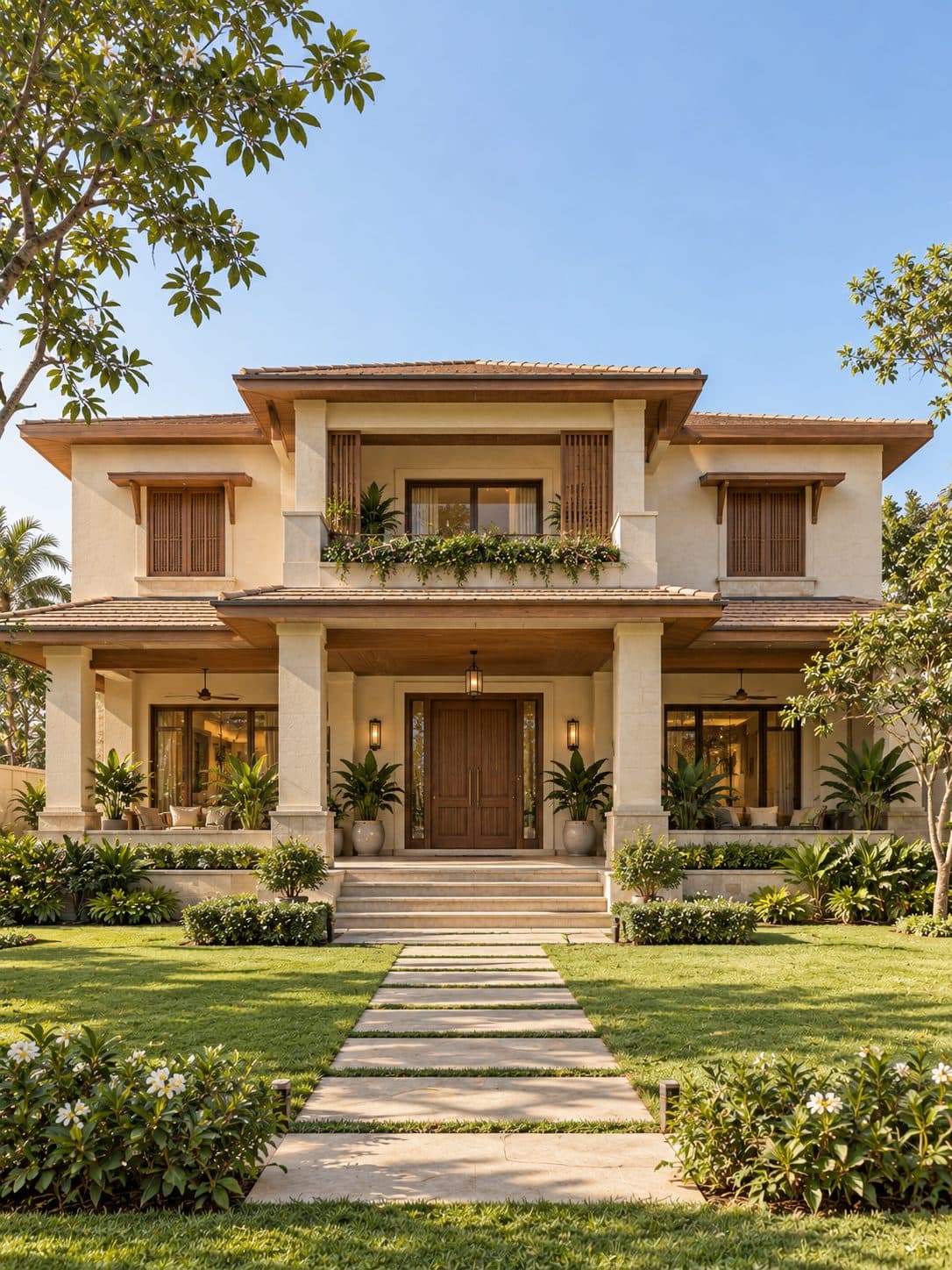
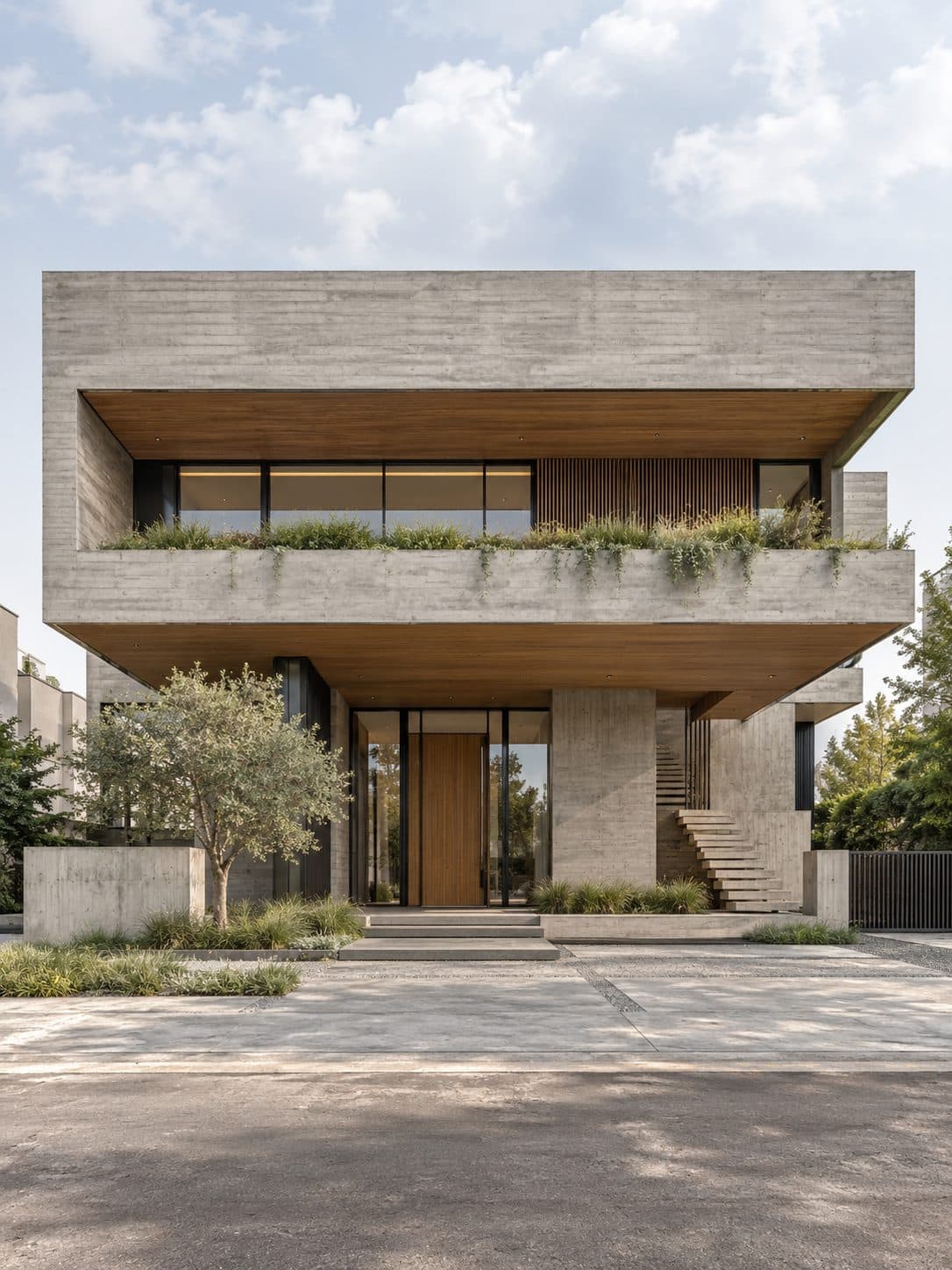
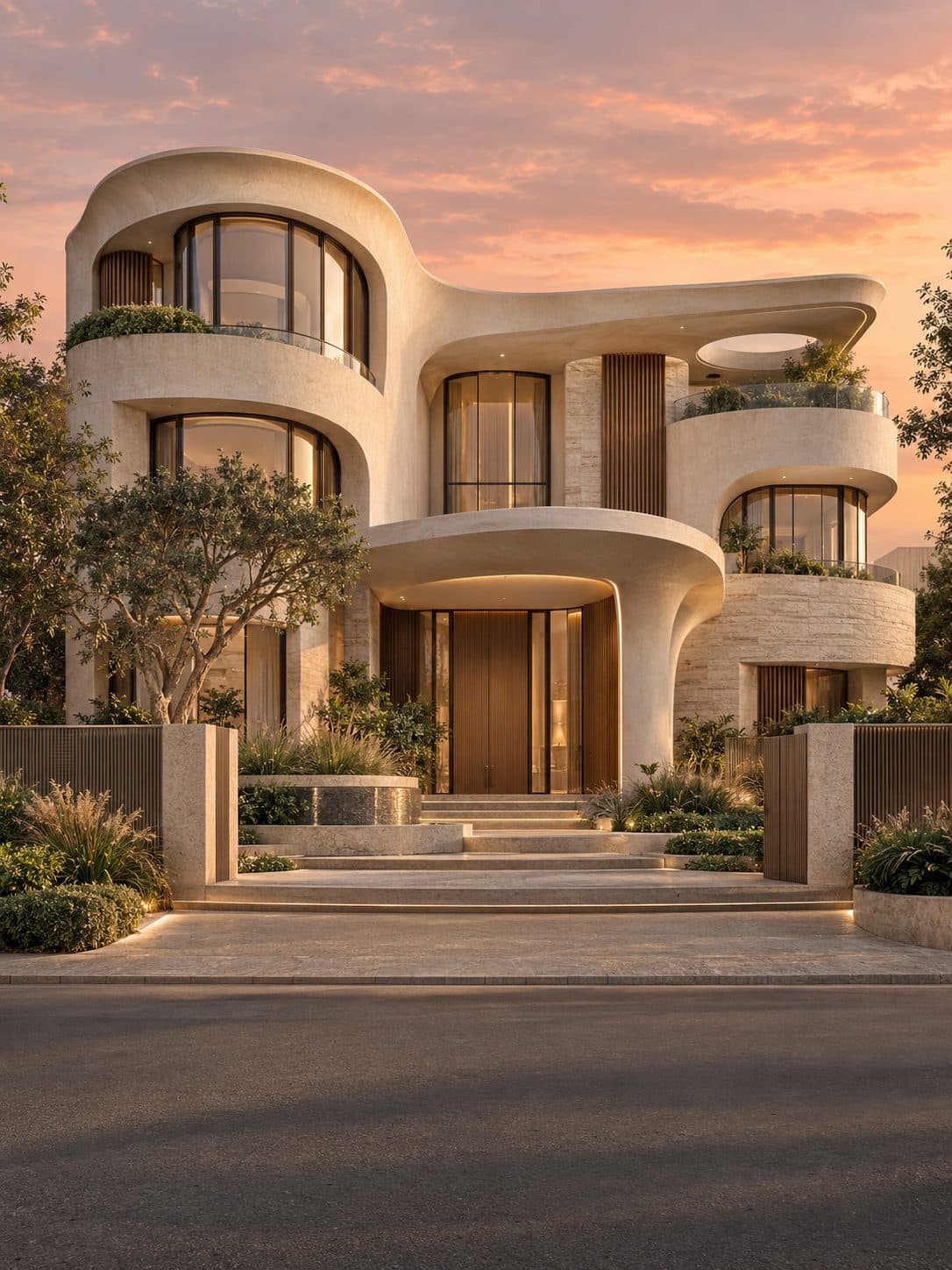
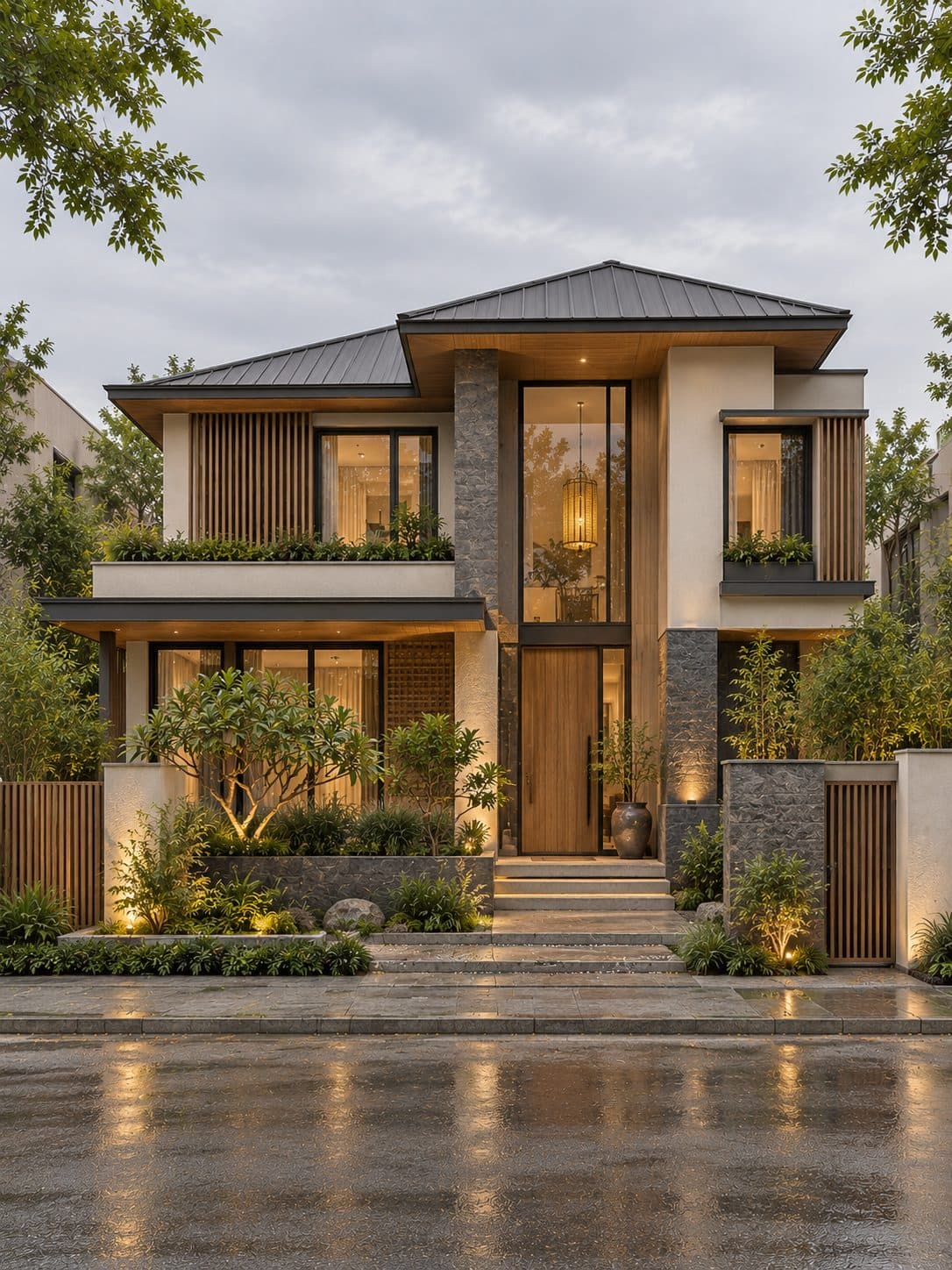
Super luxury villas for sale in Gurgaon's finest gated communities — Suncity, DLF Phase 1, Westend Greens and South City. Spacious, low-density, ready-to-move independent homes with private gardens and covered parking, personally inspected and title-verified. We also handle high-end villas across South Delhi and Gurgaon when buyers want to compare both markets.
The Gurgaon corridors where we currently see the strongest demand for luxury villas.
52 verified villas in our current luxury inventory.
Optimal Realty has advised buyers on luxury villas across Gurgaon for nearly three decades. Rather than an open feed, we work with a curated, personally inspected shortlist so every option you see is genuine, correctly priced and ready for a site visit.
Demand for luxury villas is concentrated along Gurgaon's prime corridors, including DLF Phase 2, South City 1 & 2, Suncity, Malibu Town, DLF Phase 3 and DLF Phase 4. Each corridor carries its own price band, plot sizing and rental profile, and our advisors will help you weigh appreciation against end-use before you commit.
From the first shortlist through site visits, negotiation, documentation and registration, we guide you end to end with clear, local, data-backed advice. Off-market relationships often surface the right villas before they reach the open market.
Nearly three decades of local market knowledge across every prime corridor.
Personally inspected listings and exclusive mandates, not an open feed.
Relationships that surface opportunities before they reach the market.
From site visits and negotiation to documentation and registration.
Luxury villas in Gurgaon typically cost ₹8 crore to ₹45 crore, with super-luxury gated villas and farmhouses running ₹25 crore to ₹120 crore. The entry band of ₹8-15 crore covers 300-500 sq-yd villas in Suncity Township, Vatika India Next and Palam Vihar; ₹15-35 crore buys a 500-800 sq-yd villa in DLF Phase 1-3 or Sushant Lok; ₹35 crore and above is the Westend Greens, Chattarpur and Camellias plot-and-villa territory.
The strongest gated villa communities in Gurgaon are Suncity Township on Golf Course Extension, Vatika India Next on Sohna Road, Vipul Tatvam Villas in Sector 48, Anant Raj Estate Villas off NH-48 and Central Park Resorts in Sector 48. These five give you 24/7 security, clubhouse and pool access, backup power, and resident-only roads — the baseline most Delhi/NCR HNI buyers now insist on before considering a standalone kothi or farmhouse.
Buy ready-to-move if you need possession inside 60 days, want to inspect the actual build quality, and can absorb the 8-12% ready-premium over launch pricing. Under-construction suits buyers who want 15-25% price upside over a 24-36 month build-out and are comfortable with HRERA-registered milestone payments. In Gurgaon the ready inventory in Suncity, DLF Phase 1-3 and Palam Vihar is deep enough that most luxury buyers go ready.
A standard Gurgaon luxury villa gives you a 400-900 sq-ft private garden plus 2-4 covered car parks on a 300-500 sq-yd plot. Haryana building bye-laws permit a maximum FAR of 1.75 and ground coverage of 66%, which leaves roughly a third of the plot for lawn, driveway and setback greenery. Larger 600 sq-yd+ plots in Westend Greens or Suncity typically carry a lap pool, lawn, and 4-6 covered car bays.
A super-luxury villa in Gurgaon is one on a 500 sq-yd (4,500 sq-ft) or larger plot with 7,000+ sq-ft of built-up area, priced ₹25 crore and above. The practical bar most brokers use is: minimum five en-suite bedrooms, home theatre, private lift, dedicated staff quarters, imported kitchen, and either a lap pool or a 1,500 sq-ft private lawn. Pricing is roughly ₹30,000-55,000 per sq-ft of built-up area on this tier.
A villa gives you private land, no shared walls and FAR you can rebuild — a 400 sq-yd Suncity villa at ₹18 crore delivers 7,000 sq-ft of usable space and a garden. The same ₹18 crore buys an 8,000 sq-ft Camellias apartment with concierge but zero land, or a 4,500 sq-ft Golf Course Road builder floor with its own entrance but no clubhouse. Villa resale is thinner but land appreciation historically beats apartments by 2-3% a year.
Yes, NRIs and OCIs can buy any Gurgaon residential villa under the RBI's general permission — no case-by-case approval is required for residential property. Payment must come from an NRE, NRO or FCNR account via normal banking channels, not foreign currency carried in. Home loans up to 75-80% LTV are available from HDFC, SBI and ICICI; repatriation of sale proceeds is capped at USD 1 million per financial year under the LRS.
Haryana charges 7% stamp duty for male buyers, 5% for female buyers and 6% for joint ownership on urban villa transactions, plus 1% registration fee on the circle-rate or declared value — whichever is higher. On a ₹20 crore villa in Gurgaon a male buyer therefore pays roughly ₹1.4 crore stamp + ₹20 lakh registration = ₹1.6 crore. Registering in a wife's name saves ₹40 lakh on the same transaction, which is why most HNI buyers do it.
All villa projects launched after 1 May 2017 with eight or more units or on a plot above 500 sq m must be HRERA-registered — this covers every recent Suncity, Vatika, Anant Raj and DLF villa release. The project HRERA number appears on the brochure, hoarding and HRERA Panchkula portal; always cross-check it before paying the booking amount. Resale and pre-2017 villas (e.g. older DLF Phase 1-3 kothis) are not required to carry an HRERA number.
Monthly maintenance in a gated Gurgaon villa community runs ₹8-18 per sq-ft of built-up area, which works out to ₹55,000-₹1,25,000 a month for a typical 7,000 sq-ft villa. The charge covers 24/7 security, horticulture, STP, backup power, road upkeep and clubhouse access — Suncity, Vatika India Next and Central Park Resorts all sit in this band. Clubhouse membership is usually a one-time ₹5-15 lakh plus a small monthly rider; farmhouses in Westend Greens are self-maintained.
Resale demand for Gurgaon luxury villas has risen sharply since 2022, with gated-community villas in Suncity, Vatika and DLF Phase 1-3 clearing in 3-6 months versus 12-18 months pre-pandemic. The 2024-26 pull-up came from WFH-era preference for private land, limited new villa supply inside the DLF belt, and HNIs rotating out of apartments. Appreciation on well-located 400-600 sq-yd villas has run 11-14% CAGR over the last three years — faster than comparable apartments.
A Westend Greens farmhouse gives you 1-2 acres of private land at ₹40-120 crore, self-maintained, with no community rules but also no shared pool, gym or managed security. A Suncity villa gives you a 400-600 sq-yd plot at ₹15-30 crore inside a 24/7 gated township with clubhouse, children's facilities and HOA upkeep. Farmhouses win on privacy, space and status; Suncity wins on amenities, lower maintenance load and better resale liquidity.
The five pockets that account for most super-luxury villa transactions in Gurgaon and across the Delhi border, with their current 2026 rate bands.
Compare the five corridors side-by-side on our Gurgaon maps library before shortlisting — each pocket has its own master-plan footprint, sector adjacency and connectivity profile.
Haryana charges stamp duty on the higher of circle rate or declared consideration, with a female-buyer concession that still applies to high-value villas.
Short answer. Haryana charges 7% stamp duty for male buyers, 5% for female buyers and 6% for a joint male-plus-female purchase on the higher of circle rate or declared sale consideration, plus a flat registration fee capped at Rs 50,000. On a Rs 10 Cr Suncity villa that means roughly Rs 70 lakh (male), Rs 50 lakh (female) or Rs 60 lakh (joint) in stamp duty, over and above the sale price.
The duty is paid as an e-stamp (Haryana GRAS portal) before registration at the local Tehsildar office. Villas and plots are both treated as immovable property, so the rate card is identical, but valuation is driven by the applicable circle rate for Gurgaon 2026 — if the declared price is below circle rate, duty is still computed on circle rate.
| Buyer profile | Stamp duty | Registration fee | On a Rs 10 Cr villa |
|---|---|---|---|
| Male buyer (sole) | 7% | Up to Rs 50,000 | ~Rs 70.5 lakh |
| Female buyer (sole) | 5% | Up to Rs 50,000 | ~Rs 50.5 lakh |
| Joint (male + female) | 6% | Up to Rs 50,000 | ~Rs 60.5 lakh |
| Joint (two male buyers) | 7% | Up to Rs 50,000 | ~Rs 70.5 lakh |
Full breakdown by locality circle rate in our stamp duty guide for villas vs plots in Haryana, plus the current sector-wise circle rates used to compute the floor.
Most super-luxury villa transactions are resale of ready-to-move inventory built before the RERA Act — the Act does not apply retroactively, so no HRERA registration exists for the project itself.
Short answer. Ready-to-move resale villas in Suncity, DLF Phase 1, 2, 3 and South City-1 were almost all handed over before the RERA Act of 2016, so their projects do not carry an HRERA number — the Act applies to ongoing or new projects, not completed societies. Under-construction villa projects launched after 2017 (fewer, but they exist in Sohna Road and New Gurgaon) do require active HRERA registration before they can market or accept bookings.
Instead of a project-level HRERA number for resale villas, we verify unit-level documentation: approved building plan from DTCP, occupation certificate, mutation in revenue records, chain of sale deeds back to the original allottee, and no-encumbrance certificate from the sub-registrar. Where a project IS HRERA-registered, we attach the registration number and completion-date commitment to the deal file. See the HRERA-verified luxury projects list for live under-construction inventory, and our RERA / HRERA explainer for Gurgaon buyers for the full compliance checklist.
Yes — residential villas and plots are permitted under FEMA. Agricultural land, farmhouses on agricultural zoning and plantation property are not.
Short answer. NRIs and OCI card-holders can buy any number of residential villas, apartments or non-agricultural plots in Gurgaon under general permission from the RBI — no prior approval is required. Payment must come through an NRE or NRO account via normal banking channels, or by direct remittance from abroad; cash and traveller's cheques are not permitted. On resale, sale proceeds up to the amount originally remitted (plus up to USD 1 million per financial year of capital gains, with 15 CA / 15 CB tax clearance) can be repatriated out of India for a lifetime maximum of two residential units.
Agricultural land, farmhouses sitting on agricultural zoning and plantation property are expressly off-limits — this matters for Westend Greens and Chattarpur, where zoning is checked per unit. For paperwork, OCI card-holders register in person like resident Indians; non-resident Indians can execute through a specific power of attorney in favour of a resident family member or their lawyer, which must be apostilled or notarised at the Indian consulate and then adjudicated in Haryana. Full walkthrough in our NRI home loan guide for Gurgaon 2026 and the paperless Haryana registration flow for NRIs.